Every business owner I talk to says the same thing: their software bill is bigger this year than last, and bigger last year than the year before. Their business did not grow at that rate. So what is going on?
There are four reasons. Once you know them, you can do something about them.
Reason 1: Per-seat pricing punishes growth
Almost every SaaS product is priced per user. Hire one person, add a seat. Hire a contractor for two months, add a seat. Promote someone into a role that needs the tool, add a seat.
You are punished for every hire. And because most products have minimum seat tiers, you sometimes pay for seats you do not even use.
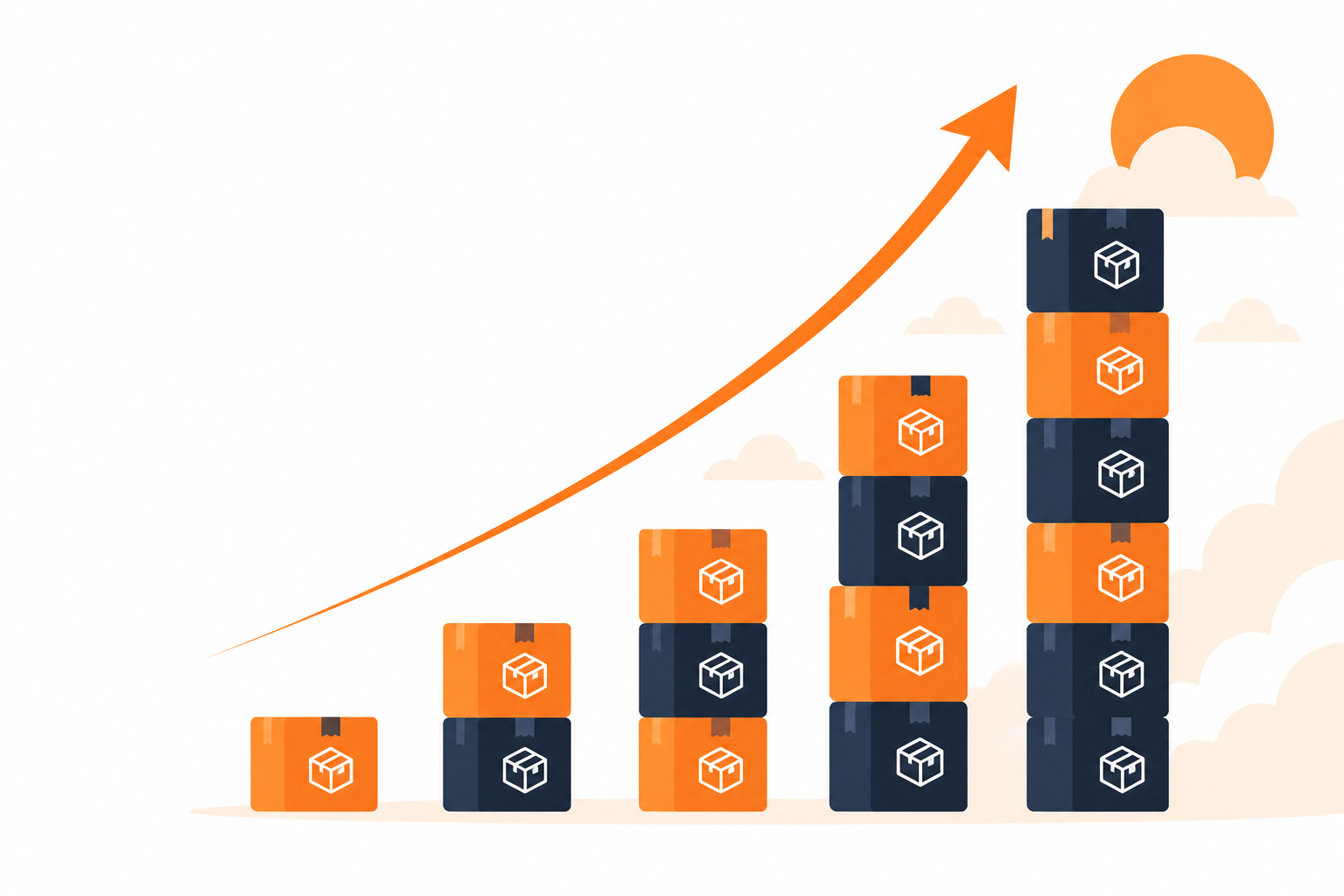
For a company that goes from 10 people to 20 people, your software bill does not just double. It usually triples, because the bigger team also unlocks "Pro" or "Enterprise" tier requirements.
Reason 2: Vendors raise prices every year
Every major SaaS vendor, HubSpot, Salesforce, Monday, Asana, Zendesk, you name it, has raised prices in the last three years. Usually 5 to 15 percent at a time.
You do not notice because you are on an annual contract. The renewal hits, you grumble, and you pay it because switching is too painful.
That price creep alone, compounded, doubles your bill every 7 to 10 years even if nothing else changes.
Reason 3: Feature creep forces tier upgrades
Vendors are very good at moving useful features into higher tiers. The thing you bought the product for last year is now only available on the plan above yours.
You upgrade because you have to. Your team is already trained, your workflows are already built. The switching cost is the leash.
Reason 4: Tool sprawl
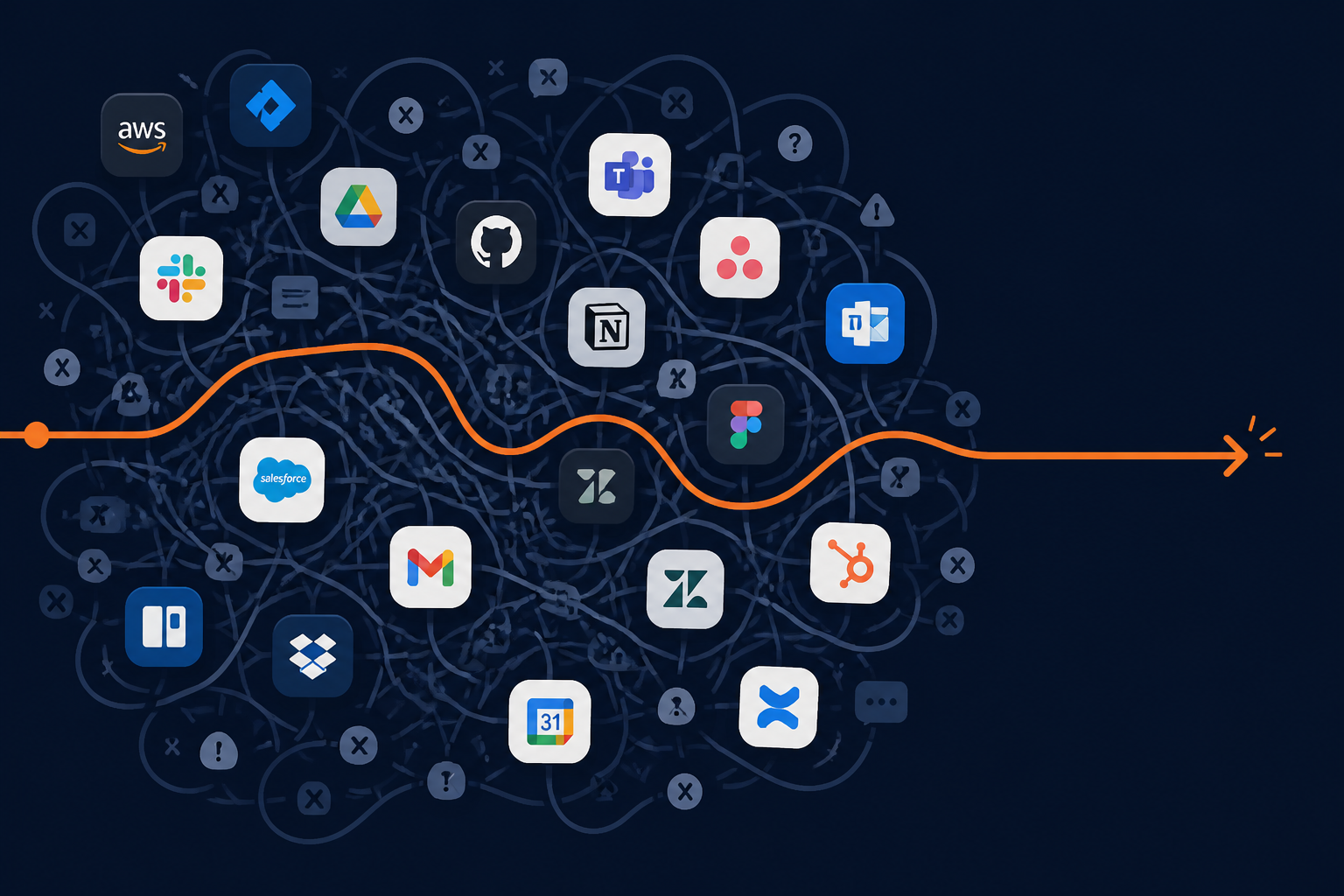
The real killer. Every department adds its own tool. Sales has its CRM. Marketing has its email platform. Support has its ticketing system. Ops has its project tool. Finance has its accounting software, plus an expense tool, plus a payroll tool.
Add a chat app, a scheduling tool, a file sharing tool, a password manager, a video tool, a notes tool. Each one is $10 to $50 per user per month. Twenty tools at $20 each times 15 people is $72,000 a year. Nobody planned for that. It just happened.
How to stop the bleeding
Three steps.
Step 1: List every recurring software charge
Pull your business credit card and bank statements for the last 12 months. Write down every recurring software charge. Most owners are shocked. The number is always bigger than they thought.
Step 2: Sort by "actually used" vs "barely used"
Be honest. For each tool, ask: if this disappeared tomorrow, would the business notice in a week? In a month?
The "barely used" pile usually has 30 to 50 percent of your bill in it. Cancel everything in that pile. Nobody will notice.
Step 3: Look at the top 3 or 4 most expensive tools
These are the ones worth a real conversation. For each one, ask:
- What does this tool actually do for us?
- Could a simple custom-built tool do the same thing for less, long term?
- What would we save in five years?
If the answer is "more than $20,000," you have a candidate for replacement.
The big picture
Software is now most companies' second or third largest expense, after payroll and rent. It is the easiest one to cut. Most of the spend is rented capability you are not using.
You can keep watching the bill go up. Or you can decide that owning your tools, instead of renting them, is the move. Our calculator will tell you exactly how much that decision is worth for your business.